Like us!
 Follow us!
 Follow us !
 Follow us!
 Contact us!
 Subscribe!
 Follow Us!
 Follow Us!


- Standard Immigration 11 November 2025
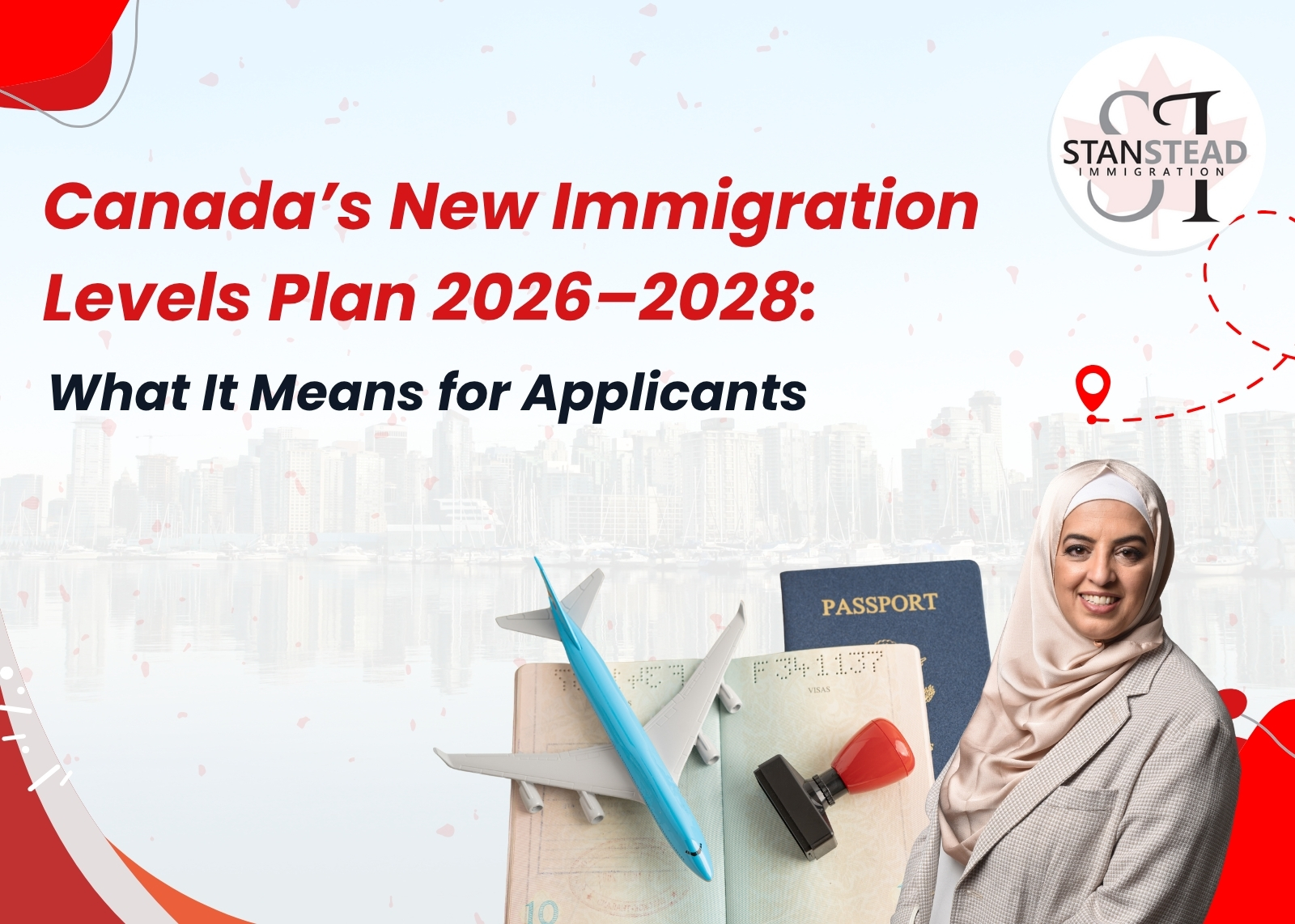
Canada’s New Immigration Levels Plan 2026–2028: What It Means for Applicants
Canada has officially unveiled its Immigration Levels Plan for 2026–2028, setting the tone for how many new immigrants the country will welcome in the coming years. This plan, announced by Immigration, Refugees and Citizenship Canada (IRCC), shows a continued commitment to welcoming newcomers — but with a stronger focus on economic stability, workforce balance, and integration.
Overview of the 2026–2028 Immigration Levels Plan
The new plan sets out the number of permanent residents (PRs) that Canada aims to admit each year across major categories such as economic immigration, family reunification, refugees, and humanitarian programs.
According to the IRCC announcement:
-
2026 Target: Around 500,000 new permanent residents
-
2027–2028: Targets expected to stabilize near the same level
-
The focus is to maintain steady immigration while improving support systems for housing, healthcare, and job integration.
This signals a more balanced, long-term approach — ensuring that Canada’s growth remains sustainable and inclusive.
Why Canada Is Adjusting Its Immigration Strategy
Canada’s immigration system has always been key to its economic success. However, rising concerns around housing shortages, healthcare capacity, and job market competition have led policymakers to take a more strategic stance.
Here’s what’s driving the 2026–2028 changes:
-
Sustainable Population Growth:
With over a million newcomers arriving annually (including temporary residents), the government aims to stabilize population growth to ensure better infrastructure support. -
Housing and Cost of Living Pressures:
Rapid immigration has increased housing demand in major cities. The new plan aligns with efforts to expand housing supply and control inflation. -
Labour Market Balance:
Canada still faces labor shortages in skilled sectors like healthcare, IT, and construction — but the government wants to prioritize high-demand occupations through targeted draws. -
Public Sentiment and Integration:
Surveys show that while Canadians remain pro-immigration, they want the process to be well-managed and economically beneficial.
Key Immigration Streams Affected
-
Express Entry System:
-
IRCC will continue using category-based draws to target specific sectors such as healthcare, STEM, trade, transport, and agriculture.
-
CRS (Comprehensive Ranking System) scores may fluctuate, but the trend favors applicants with in-demand skills and work experience.
-
-
Provincial Nominee Programs (PNPs):
-
Provinces will receive greater autonomy to invite immigrants based on local labor shortages.
-
Applicants with job offers in smaller provinces like Saskatchewan, Manitoba, or Nova Scotia may see improved chances.
-
-
Family Reunification:
-
Canada remains committed to family reunification, ensuring smoother processing for spousal and dependent visas.
-
-
Refugees and Humanitarian Admissions:
-
These categories will stay stable, reflecting Canada’s global humanitarian commitments.
-
What This Means for Indian Applicants
India continues to be the largest source of new immigrants to Canada. Under the 2026–2028 plan, opportunities for Indian professionals and students remain strong — but competition will be tougher.
-
Skilled Workers: Focus on gaining Canadian work experience and language proficiency (IELTS/CLB) to stay competitive.
-
Students: Those studying in high-demand fields such as healthcare, IT, and engineering will have an edge for PR pathways.
-
Families: The plan maintains robust family sponsorship options — a positive sign for Indian families reuniting in Canada.
Expert Insight: The Future of Canada’s Immigration Vision
Canada’s long-term goal is clear — to attract talent that strengthens the economy while ensuring that newcomers can integrate successfully. The 2026–2028 plan reflects a shift from “more people” to “better-prepared immigrants.”
It’s a sign that quality, skill alignment, and community integration will define the future of immigration — not just numbers.
Tips for Future Applicants
-
Keep your Express Entry profile updated and monitor new draw trends.
-
Gain Canadian education or work experience to improve eligibility.
-
Explore PNP options if your CRS score is below recent cutoffs.
-
Consult a licensed immigration professional to plan ahead for policy shifts.
Conclusion
Canada’s new Immigration Levels Plan 2026–2028 marks a turning point in the nation’s immigration approach — focusing on sustainability, economic needs, and integration.
For aspiring immigrants, the message is simple: Canada is still open, but preparation and strategy matter more than ever.
With the right skills, documentation, and planning, your dream of moving to Canada remains very achievable.
Get in Touch
Book a consultation today.
Website link : https://www.stansteadimmigration.com/
Gmail : info@stansteadimmigration.com
Phone Number : +1-514-574-8595
Your status is your future. Let us help you protect it. Stanstead Immigration Services
Take the first step toward building your future in Canada—book a consultation with us today.